
FPV drone receiver base plant for RC racing quadcopters, dual-frequency ELRS 915MHz 2.4GHz system with Gemini X receiver module and twin T-shaped antennas for long-range control and stable signal transmission


FPV drone receiver base plant for RC racing quadcopters, dual-frequency ELRS 915MHz 2.4GHz system with Gemini X receiver module and twin T-shaped antennas for long-range control and stable signal transmission
FPV Drone Dual-Frequency Receiver: ELRS 915MHz and 2.4GHz System with Metal Base Plant
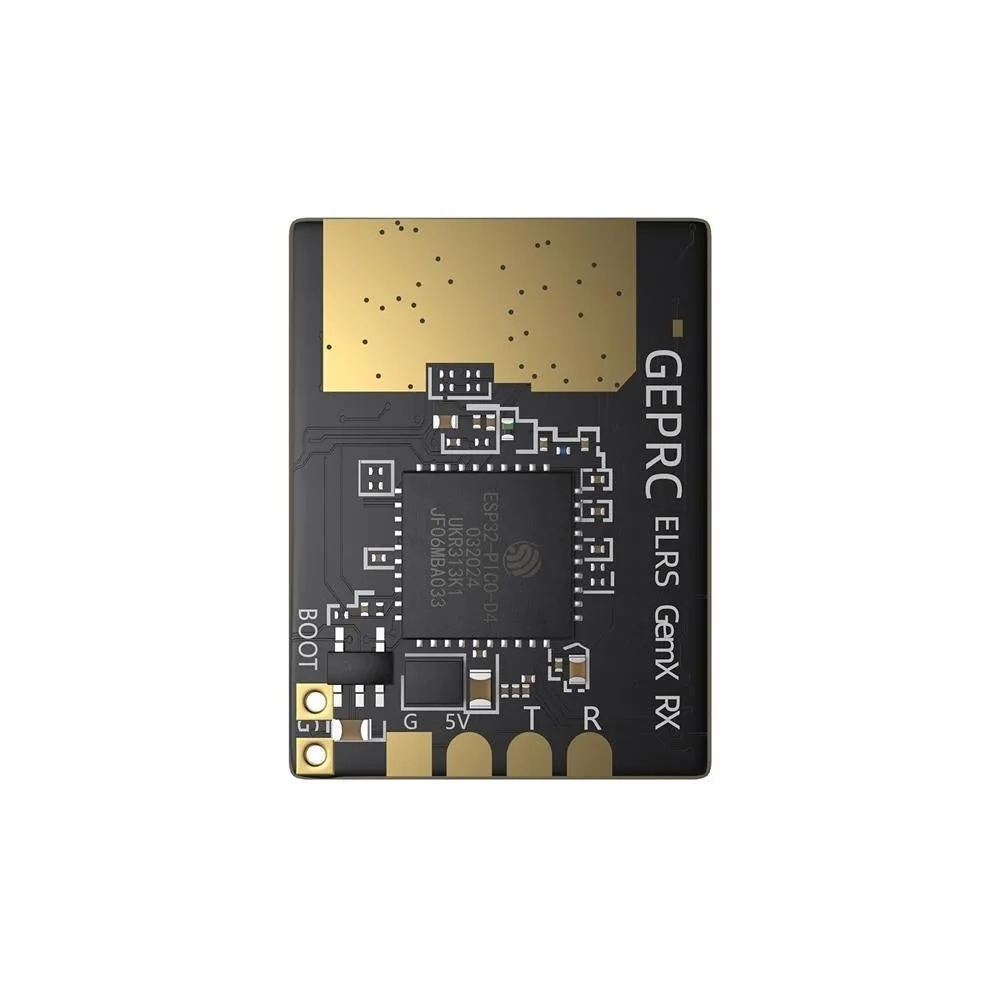
For FPV drone enthusiasts and RC quadcopter racers, maintaining a crisp, unfailing control link is paramount. This receiver system directly tackles signal interference and dropout, which are common frustrations in urban environments, near structures, or at the edge of your flying field. It employs a dual-frequency ExpressLRS (ELRS) protocol, utilising both the 915MHz and 2.4GHz bands. This approach combines the extended penetration and range benefits of the lower 915MHz frequency with the high-speed, low-latency responsiveness of the 2.4GHz band. The result is a control link designed for stability and reliability, whether you're navigating a technical race course or exploring in a long-range freestyle session. The system centres on the Gemini X dual-frequency receiver module and is presented as a complete installation kit.
Features and Construction

The core value of this product lies in its dual-band technology and ready-to-install component set. It is supplied as a base plant, meaning the essential electronics are housed within a structural unit that integrates neatly into your drone's frame. This setup is designed to simplify the build process and provide a secure mounting solution for the sensitive receiver equipment.
Material and Build
The physical foundation of this receiver system is a metal base plant. This material choice provides a rigid and durable platform to which the receiver module and its antennas attach. The metal construction helps shield the internal electronics from physical knocks and vibrations, which are inevitable in FPV drone use. It offers a solid anchoring point within your quadcopter's frame, contributing to a clean and organised build without relying on adhesive tapes or makeshift mounts that can fail under stress.
Size and Practical Fit
The entire unit has a compact form factor, with total dimensions stated as being less than 30cm. This size makes it suitable for integration into a wide range of 5-inch and larger racing or freestyle quadcopter frames, where internal space is often at a premium. The included 4-pin silicone connecting wire is flexible and designed to handle the vibrations of flight, providing a reliable link for power and signal between the receiver and your drone's flight controller. The heat shrink tubing allows for a professional, insulated finish on any solder connections required during installation.
Uses and Placement
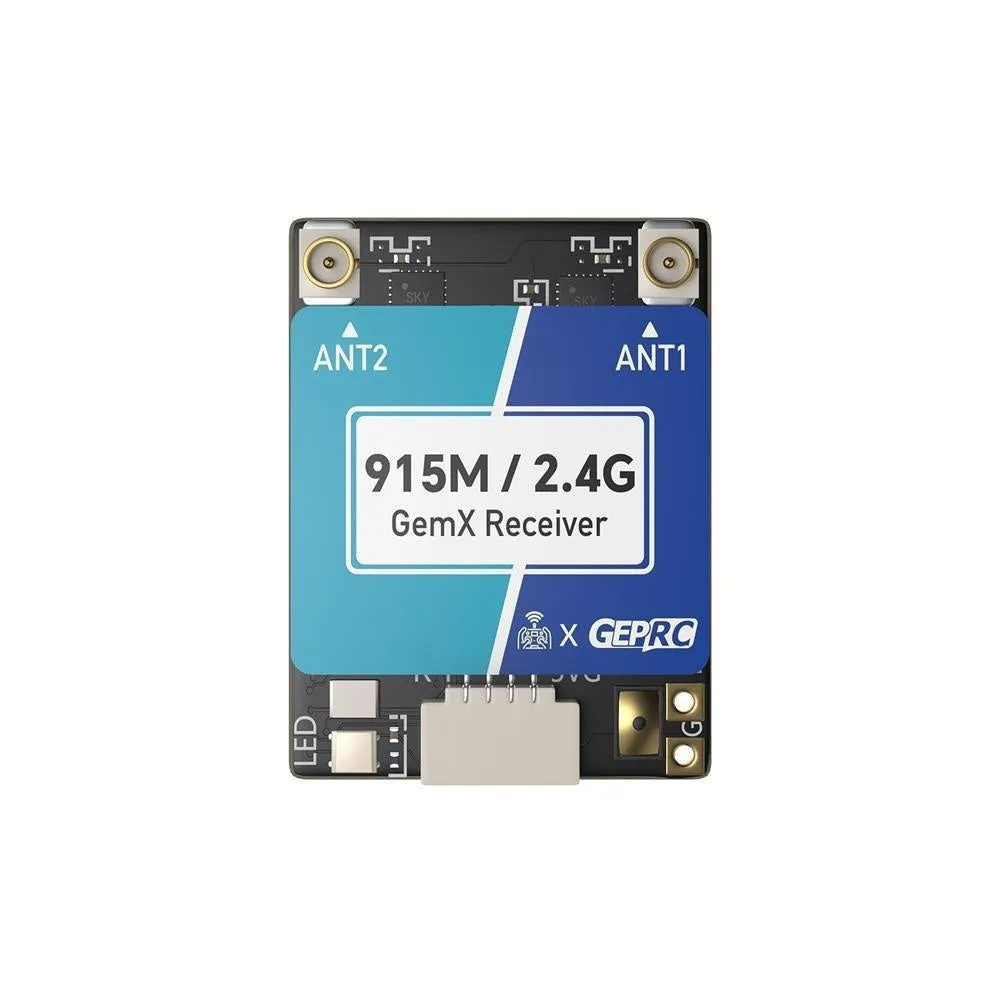
This receiver is built for the demands of modern FPV flying. Its dual-frequency capability allows pilots to tailor their setup to different flying scenarios, making it a versatile choice for various disciplines within the hobby.
Event or Professional Use
In competitive racing or organised events where many pilots are flying simultaneously, clean signal control is critical to avoid cross-talk and failsafes. The system's ELRS protocol is known for its robust link. Pilots can configure it to leverage the 2.4GHz band for its ultra-low latency, essential for split-second manoeuvres on a tight track. The inclusion of two T-shaped antennas supports diversity reception, where the system uses the antenna with the strongest signal at any moment, further enhancing reliability in a dynamic, multi-pilot environment.
Everyday Home Use
For freestyle pilots or those flying in varied locations, the 915MHz band offers advantages. Its longer wavelength provides better penetration through obstacles like trees and light structures, which can be beneficial when flying in parks, woodlands, or around backyard courses. The kit format, with all necessary mounting and connection hardware included, makes it an accessible upgrade or replacement for builders of all experience levels, simplifying the process of getting a reliable control system into a new or existing drone.
Benefits and Buying Value
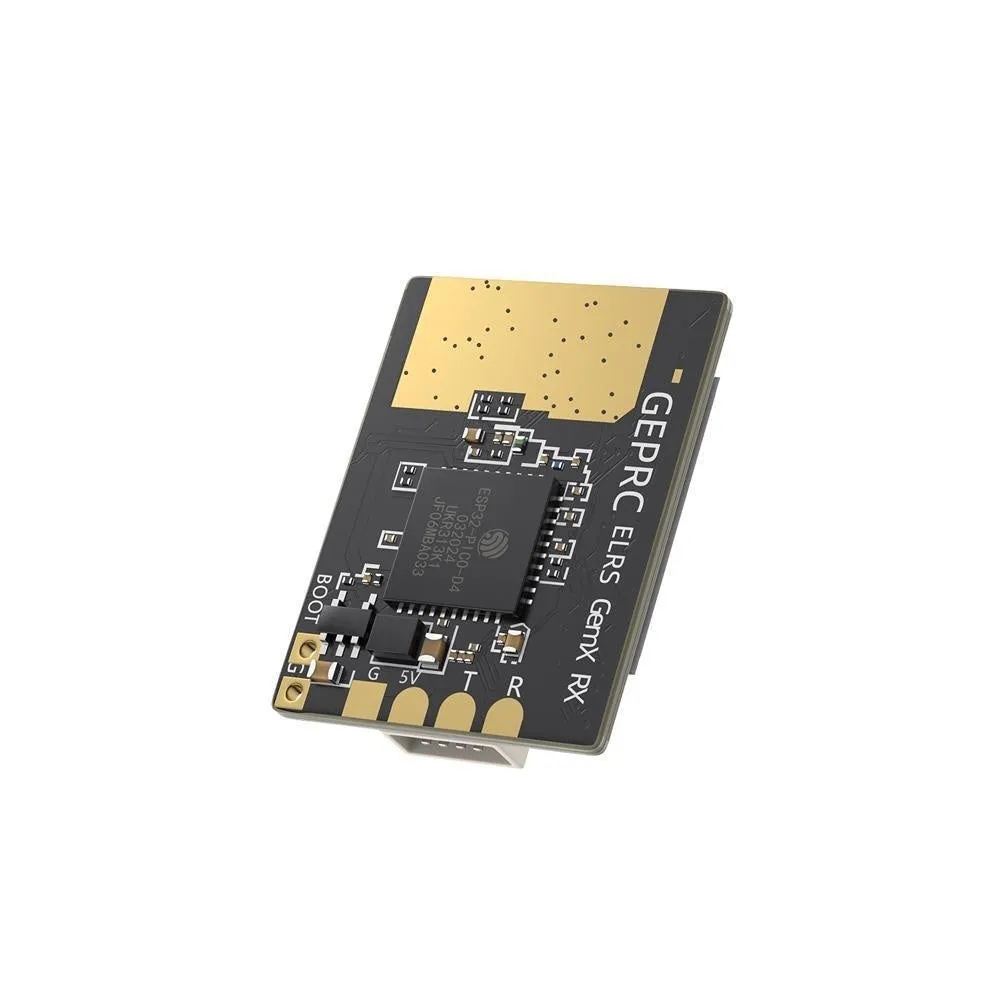
Choosing this system brings specific practical advantages centred on signal integrity, build quality, and convenience. It provides a solution based on measurable technology and complete provisioning, rather than vague promises.
Reuse and Low Maintenance
The durable metal base and quality components are selected for repeated use. The robust construction means the receiver plant can likely survive minor crashes and can be transferred between drone builds if desired. The system's design, using standardised connectors and protocols like ELRS, ensures compatibility with a wide range of modern radio transmitters that support the ELRS standard, protecting your investment as you upgrade other parts of your setup.
Why Choose This Product
The decision point for this receiver kit is its dual-frequency capability within the ELRS ecosystem. It offers a tangible technical solution to the common problem of signal loss. Instead of choosing between long-range (915MHz) or low-latency (2.4GHz) systems, this unit provides access to both, allowing the pilot to select the optimal frequency for their flying conditions. Furthermore, it is supplied as a complete package with the necessary antennas and installation accessories, removing the need to source these items separately and ensuring component compatibility.
