
Portable handheld industrial endoscope with 5.5mm dual lens camera and 4.5-inch IPS colour LCD screen for automotive pipelines and industrial inspection up to 1 metre length


Portable handheld industrial endoscope with 5.5mm dual lens camera and 4.5-inch IPS colour LCD screen for automotive pipelines and industrial inspection up to 1 metre length
Portable 4.5-Inch Screen Automotive Endoscope with 1 Metre 5.5mm Dual Lens Camera
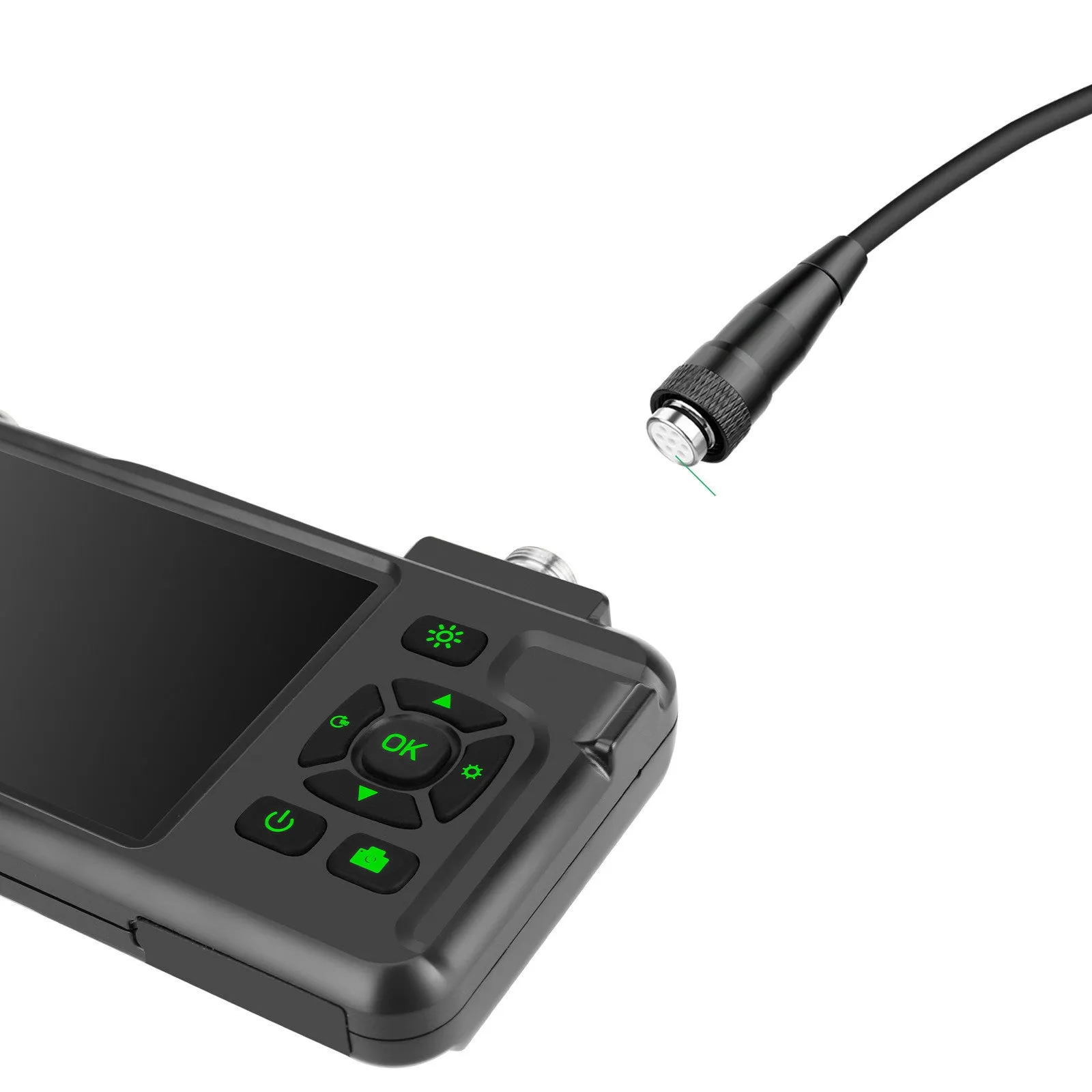
Inspecting the interior of automotive pipelines, engine components, or industrial machinery often requires specialised tools that can navigate tight spaces without disassembly. This handheld industrial endoscope provides a direct visual solution, combining a compact 5.5mm diameter probe with a 1-metre cable to reach into confined areas. The core of the system is its integrated 4.5-inch IPS colour LCD screen, which displays a live feed from the camera, eliminating the need for a separate monitor or smartphone connection. With a camera resolution of 1920x1080, it captures clear imagery suitable for identifying issues like blockages, weld integrity, or corrosion. Powered by a substantial 3000mAh rechargeable lithium battery, it is designed for portability and offers approximately 2-4 hours of operation, making it a practical tool for fieldwork, garage diagnostics, or industrial maintenance checks.
Features and Construction

The endoscope is built around a set of specific, measurable components that define its inspection capability. Its design prioritises a self-contained, portable form factor where the display, camera, lights, and power source are integrated into a single handheld unit. This construction is tailored for users who need immediate visual access without relying on external devices, providing a straightforward tool for automotive, plumbing, or mechanical inspection tasks.
Material and Build
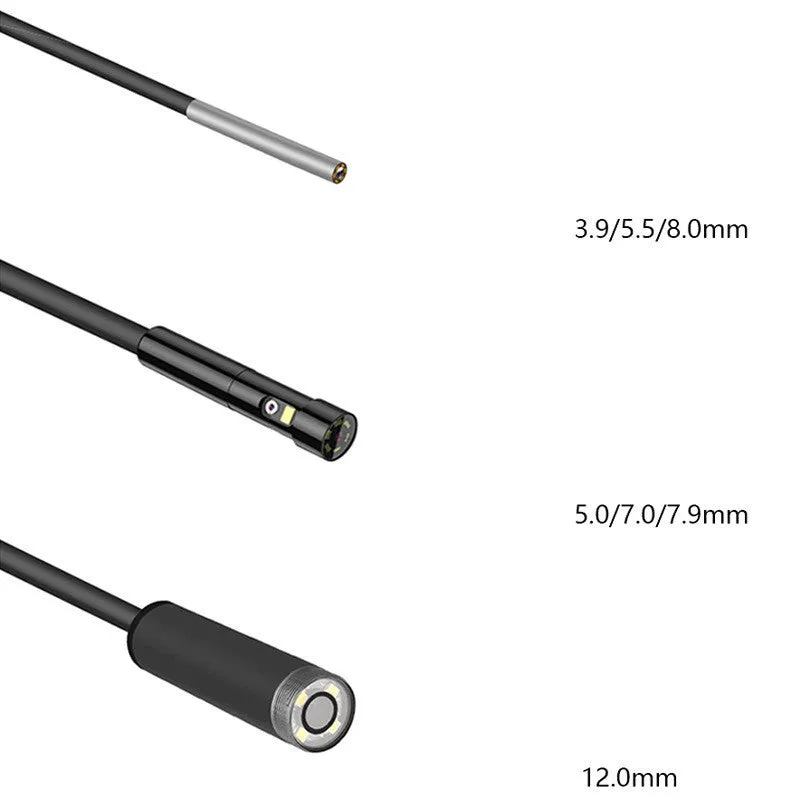
The probe features a 5.5mm diameter dual-lens camera assembly, a dimension chosen to access narrow openings common in automotive and pipeline contexts. The body houses a 4.5-inch IPS (In-Plane Switching) LCD screen, a technology known for delivering good colour reproduction and wider viewing angles compared to standard TN panels. The unit is equipped with four integrated high-brightness LED lights positioned to illuminate the camera's field of view directly, which is crucial for dark engine bays or pipe interiors. Power is supplied by an internal 3000mAh lithium-ion battery, a capacity that supports the stated approximate 2-4 hour working time, balancing runtime with the device's portable size.
Size and Practical Fit
The key physical specifications are the 5.5mm probe diameter and the 1-metre cable length. This 5.5mm size allows the camera to enter common inspection points like fuel lines, coolant passages, or between machinery components. The 1-metre reach provides substantial access depth for many automotive and light industrial applications, though it defines the operational limit for how far into a cavity the camera can travel. The 4.5-inch screen size offers a balance between providing a sufficiently large, clear image for on-the-spot analysis and maintaining the handheld, portable nature of the device.
Uses and Placement
This tool is designed for visual diagnostic and inspection roles where direct human sightline is obstructed. Its applications span professional repair environments, quality control in manufacturing, and serious DIY maintenance. The value lies in enabling a non-invasive look inside systems, which can prevent unnecessary dismantling, save time, and help accurately pinpoint faults before undertaking repairs.
Event or Professional Use
For professional mechanics, the endoscope can be used to inspect internal engine conditions, such as cylinder wall scoring, piston crown deposits, or valve train wear without removing the cylinder head. It can check for blockages or corrosion inside exhaust systems, fuel lines, or air conditioning ducts. In industrial settings, maintenance technicians might use it to examine the interior of pipes, inspect welds in fabricated structures, or look inside machinery housings for loose components or wear. The ability to record 1280x720 video via the TF card slot adds value for creating inspection reports, documenting findings for clients, or reviewing footage later for a second opinion.
Everyday Home Use
For the advanced DIY enthusiast or homeowner, the endoscope has practical applications beyond vehicles. It can be used to locate lost items behind walls or under floors, inspect household plumbing for clogs or leaks, check the condition of roof cavities or wall voids for pests or moisture, or even examine the interior of a computer case or appliance. The portable, battery-powered design makes it convenient for these ad-hoc tasks around the home or workshop without needing a power outlet nearby.
Benefits and Buying Value

The primary benefits of this endoscope stem from its integrated design and specified performance parameters. It offers a dedicated inspection tool that consolidates viewing, lighting, and recording into one device, based on the concrete specifications provided for screen size, camera resolution, battery capacity, and probe dimensions.
Reuse and Low Maintenance
As a durable electronic tool, it is designed for repeated use across multiple inspection jobs. The rechargeable 3000mAh lithium battery supports this reuse model, as it can be recharged via the Type-C port for the next task. The low maintenance aspect comes from its solid-state design with no moving parts on the probe, and the use of a standard TF card for storage, which is easy to manage and replace. Keeping the device within its 0°C to 45°C operating temperature range will help maintain its longevity.
Why Choose This Product
This product presents a specific combination of features: a self-contained 4.5-inch display, a 5.5mm/1m probe, 1080p camera resolution, and integrated lighting. This makes it a suitable choice for someone who needs a ready-to-use, portable inspection system without pairing with a phone or laptop. It is particularly relevant for users who prioritise having a dedicated screen for clear, immediate viewing in environments like garages or industrial floors, and who value the ability to record findings directly onto removable storage. Its value is defined by these tangible specifications that address the practical need to see inside inaccessible spaces.

