Dali Lithium Iron Phosphate (LiFePO4) Battery Protection Board BMS 4S 12V with Cell Balance Equalisation Function, Available in 15A to 500A Current Ratings and Optional Integrated Cooling Fan Configuration for Battery Management System Security


Dali Lithium Iron Phosphate (LiFePO4) Battery Protection Board BMS 4S 12V with Cell Balance Equalisation Function, Available in 15A to 500A Current Ratings and Optional Integrated Cooling Fan Configuration for Battery Management System Security
Dali LiFePO4 Battery Protection Board: 4S 12V BMS with Cell Balancing & Current Options to 500A
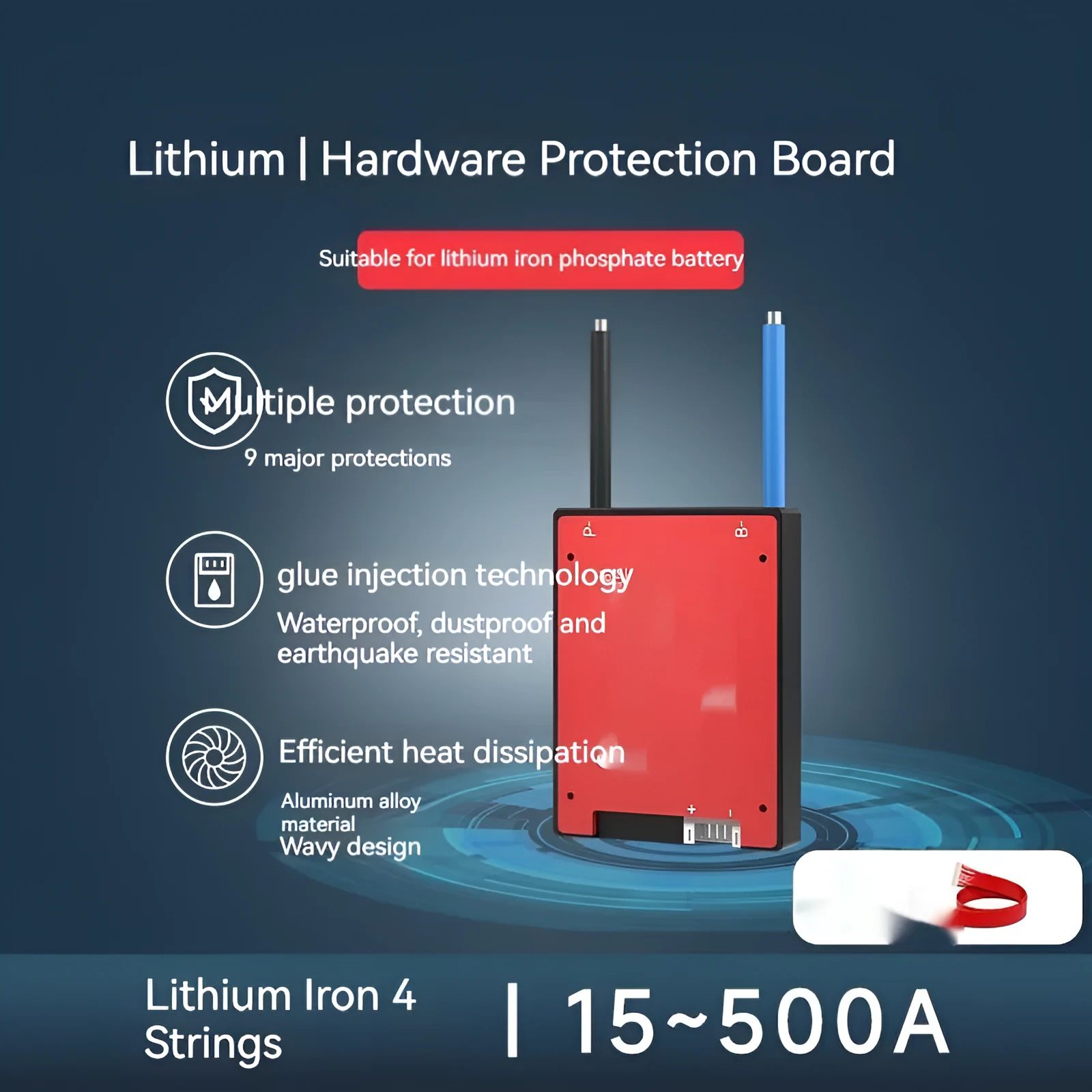
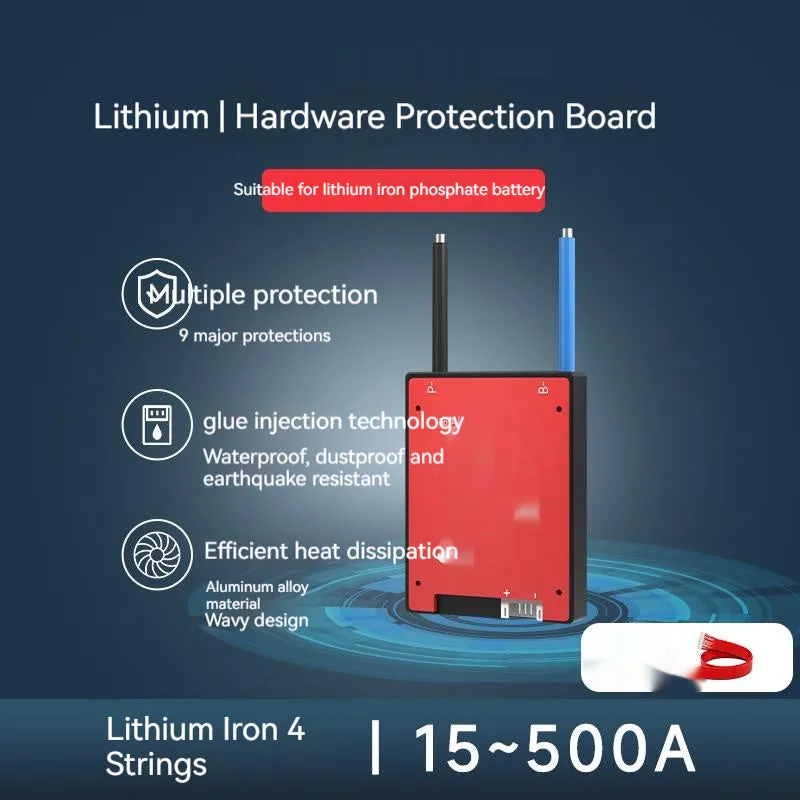
Managing the safety and performance of a lithium iron phosphate battery pack requires precise control, which is provided by a dedicated Battery Management System (BMS). This Dali protection board is engineered specifically for 4-cell series (4S) LiFePO4 configurations, delivering a regulated 12V output while actively protecting your investment. Its core function is to prevent common failure modes such as overcharging, excessive discharge, and current overloads that can permanently damage cells or create safety hazards. What sets this board apart is its combination of essential same-port balancing and an exceptionally wide range of available current ratings, from 15A for smaller projects right up to 500A for high-power applications, with fan-cooling options for demanding thermal environments.
Core Specifications and Model Selection
Selecting the correct BMS is critical for system safety and longevity. This product line offers a clear, graded range of models based on two primary variables: the continuous current (amp) rating and the inclusion of active cooling.
Understanding Current Ratings (A)
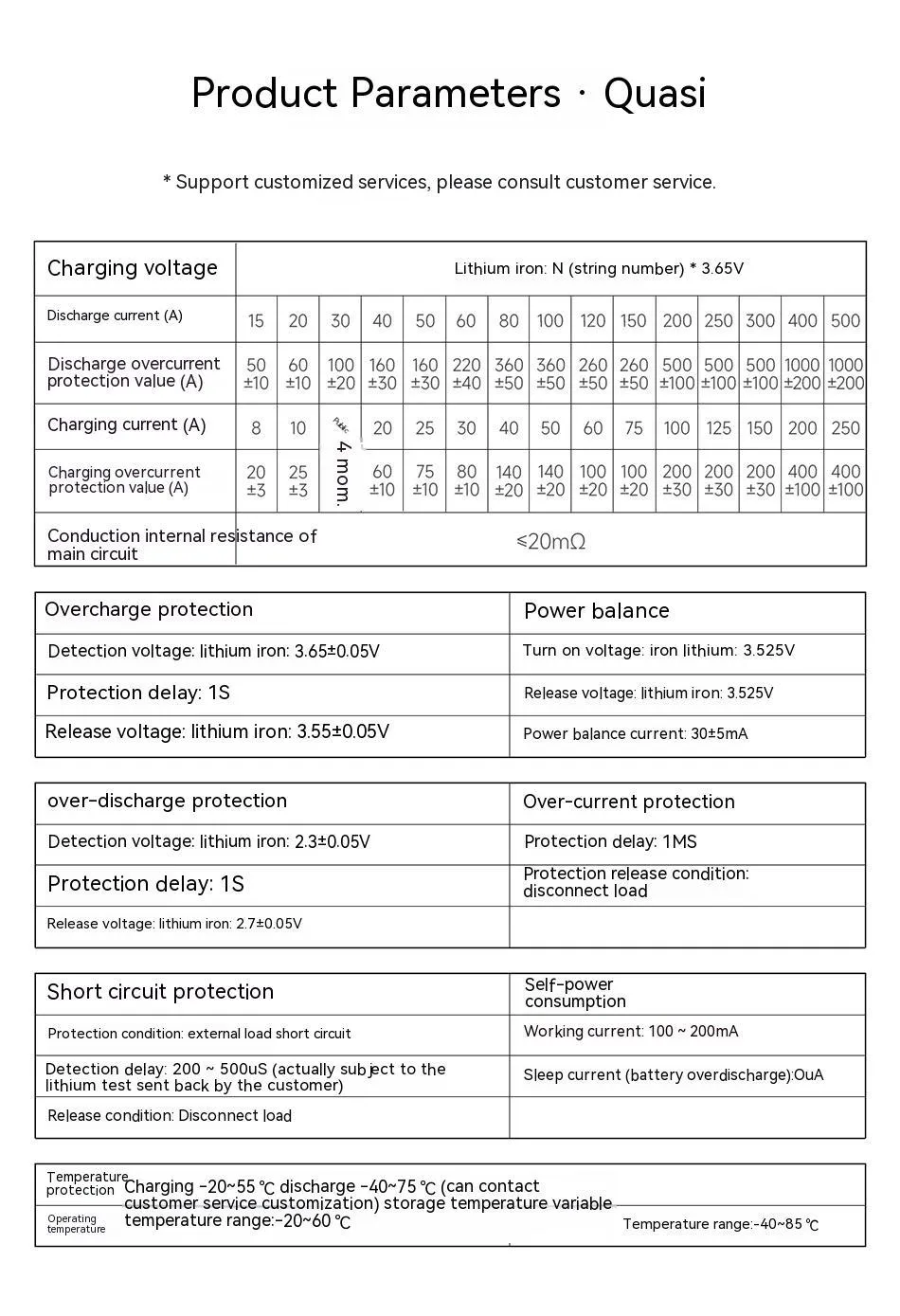
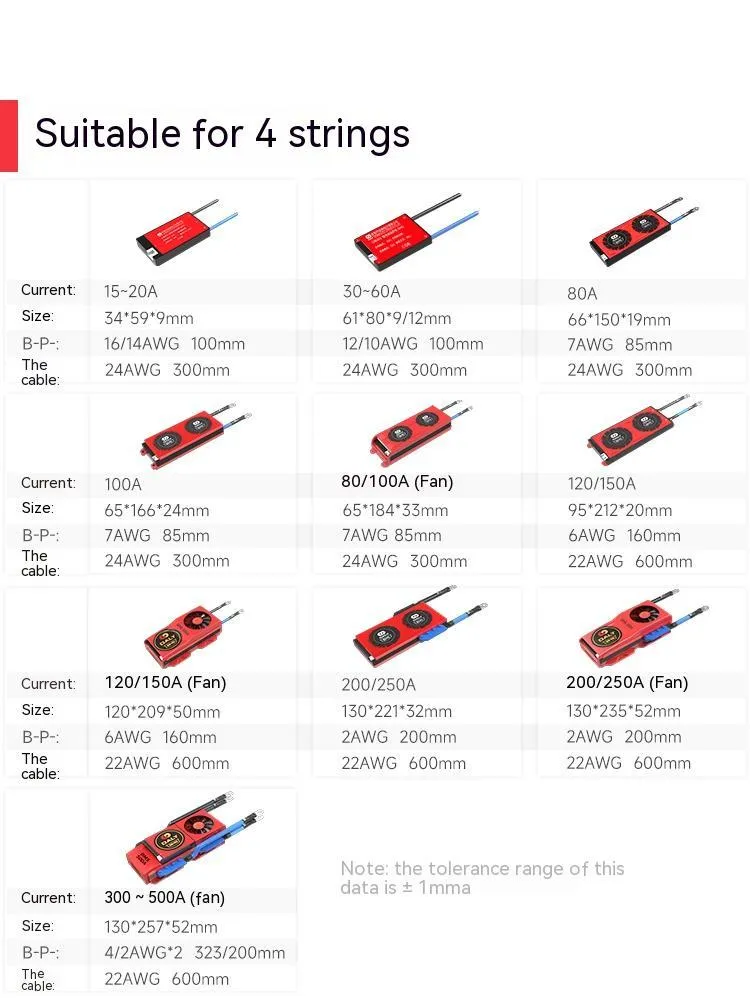
The current rating, measured in Amps (A), indicates the maximum continuous current the BMS can safely handle from the battery pack. The available options form a comprehensive scale: 15A, 20A, 30A, 40A, 50A, 60A, 80A, 100A, 120A, 150A, 200A, 250A, 300A, 400A, and 500A. You must choose a model with a rating higher than the peak current your application (e.g., an inverter, motor, or device) will draw. For example, a 1000W inverter on a 12V system may draw around 83A, so a 100A or 120A board would be a suitable minimum selection.
The Role of Cell Balancing
All models in this series include passive cell balancing (also listed as 'equalisation' or 'with balanced'). In a 4S pack, slight differences between individual cells can cause their voltages to drift apart over charge cycles. This BMS monitors each of the four cells and gently bleeds off excess charge from the highest-voltage cell, bringing all cells to a similar state of charge. This process helps maximise the usable capacity of the entire pack and extends its overall service life by preventing any single cell from being over-stressed.
Cooling Fan Options
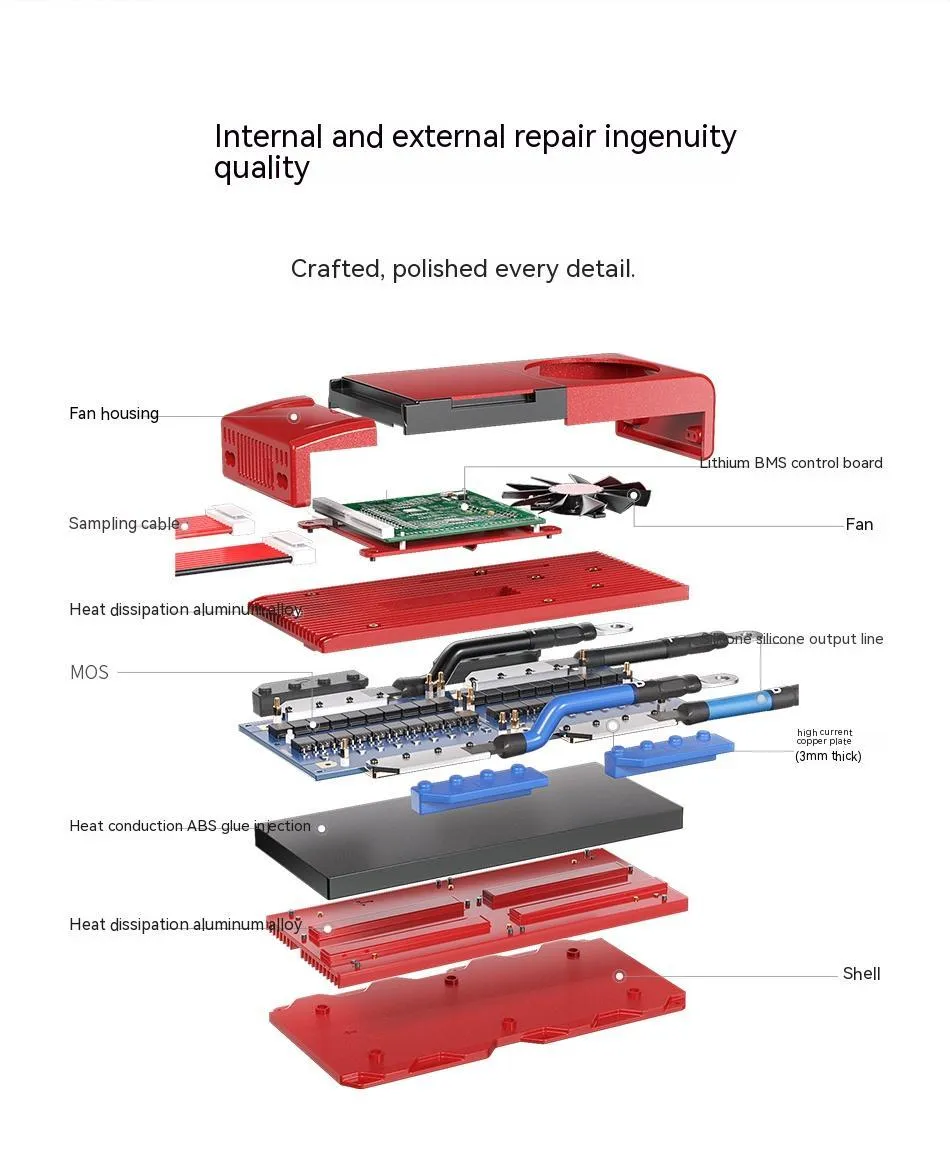
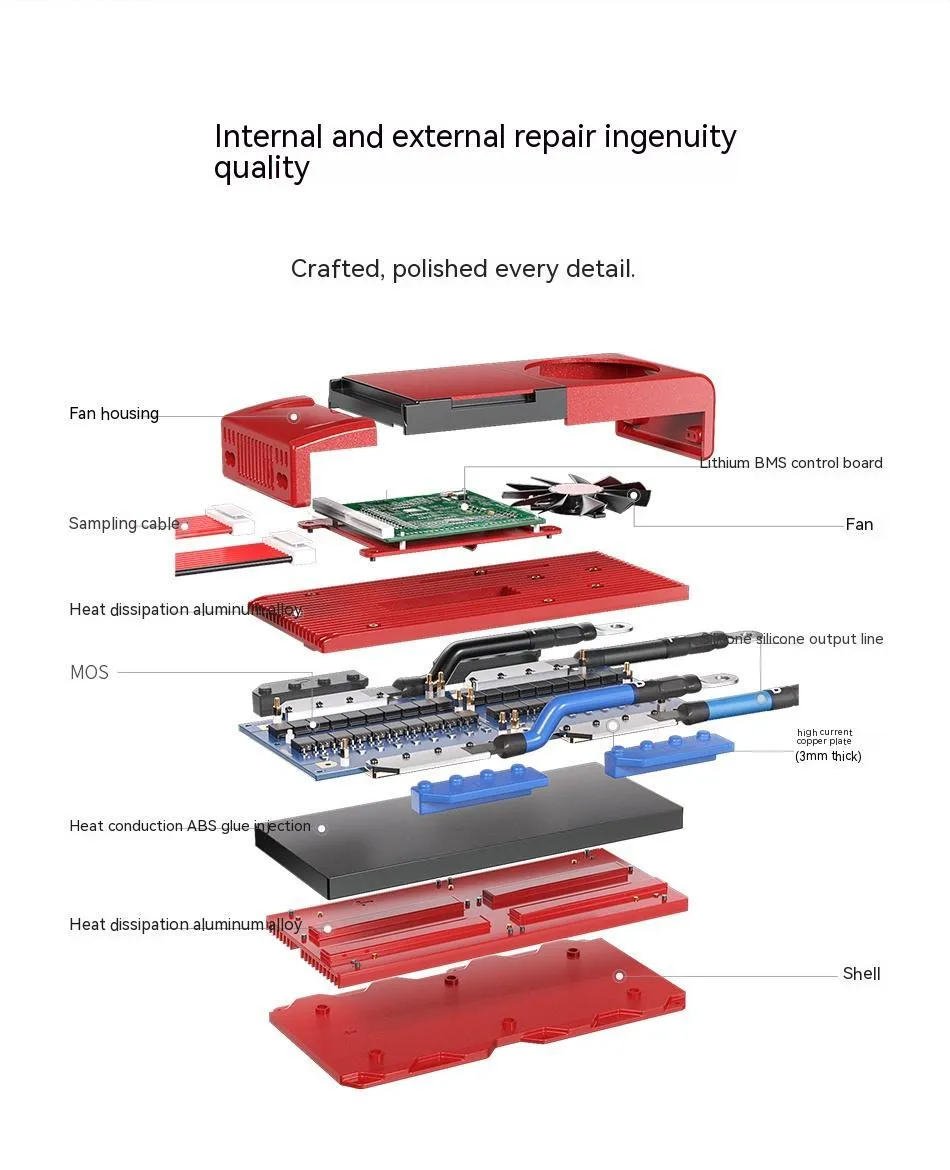
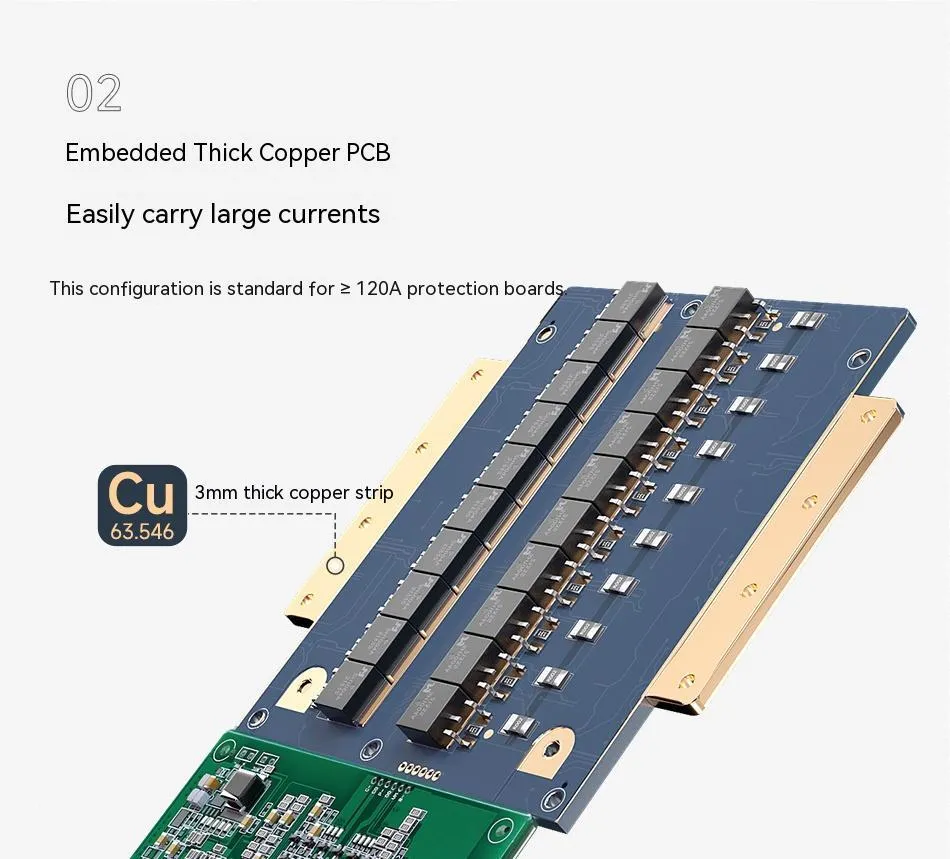
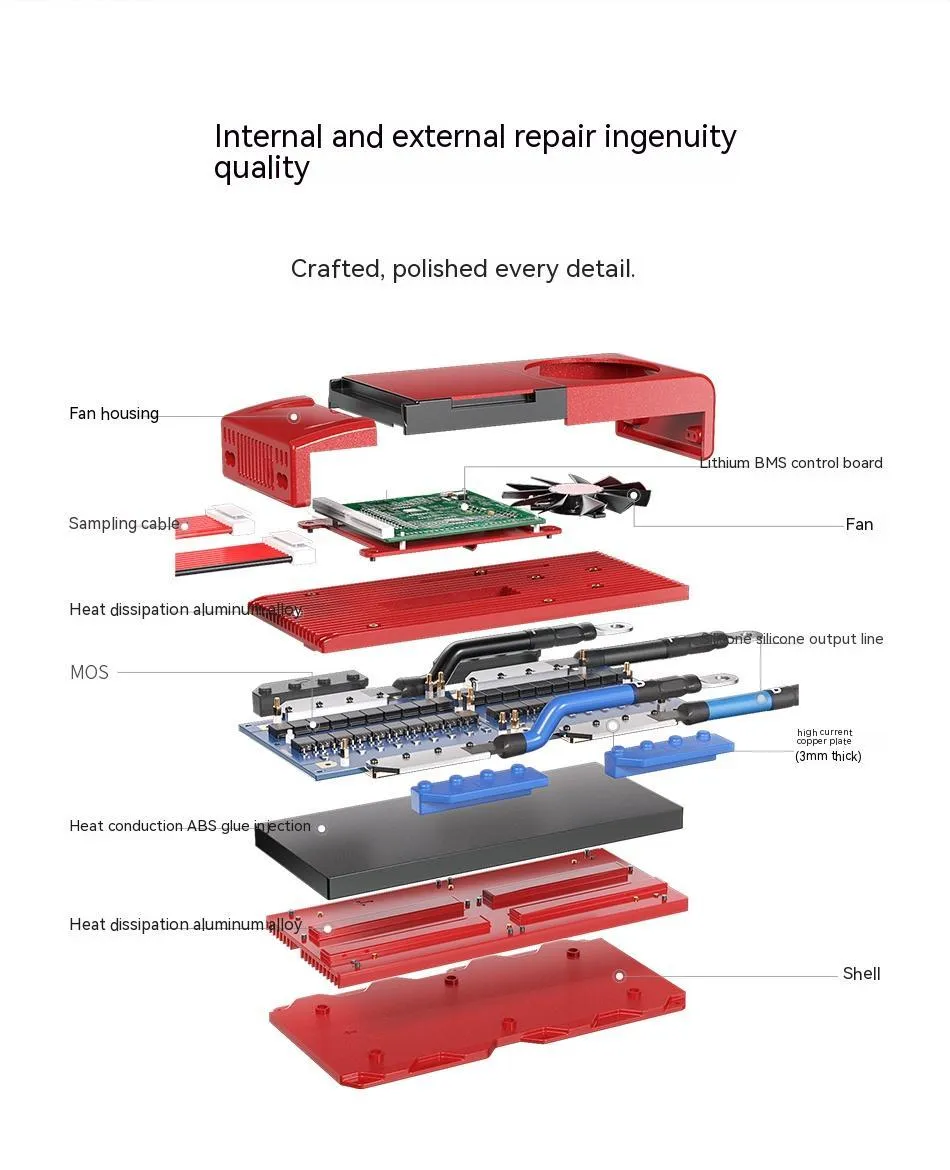
For the higher-current models—specifically 80A, 100A, 120A, 150A, 200A, 250A, 300A, 400A, and 500A—an alternative version with an integrated cooling fan is available. During high-current operation, the board's internal components, particularly the MOSFETs, generate significant heat. The fan provides active airflow to dissipate this heat, helping to maintain the board's performance and reliability under sustained load. This is a recommended choice for applications with prolonged high-power demand, such as in some electric vehicles or off-grid power systems.
Configuration and Typical Uses
This 4S 12V BMS is a versatile component designed for integration into a wide array of battery-powered systems, from recreational to professional.
DIY Energy Storage and Solar
A common application is in DIY home energy storage or solar power systems, where LiFePO4 batteries are favoured for their safety and cycle life. This BMS safeguards the battery bank in a 12V setup, whether it's powering a campervan, a cabin, or a home backup system. The balancing function is crucial here, as these systems often undergo deep cycles, and cell imbalance can significantly reduce effective storage capacity over time.
Electric Mobility and High-Power Projects
The higher-current models, especially the fan-cooled variants, are suited for electric mobility projects like e-bikes, scooters, or even small electric vehicles, where motors demand high burst and continuous current. Similarly, they are applicable in high-power tools, winches, or any project requiring robust, reliable power delivery from a 12V LiFePO4 battery pack.
Installation and Value Proposition
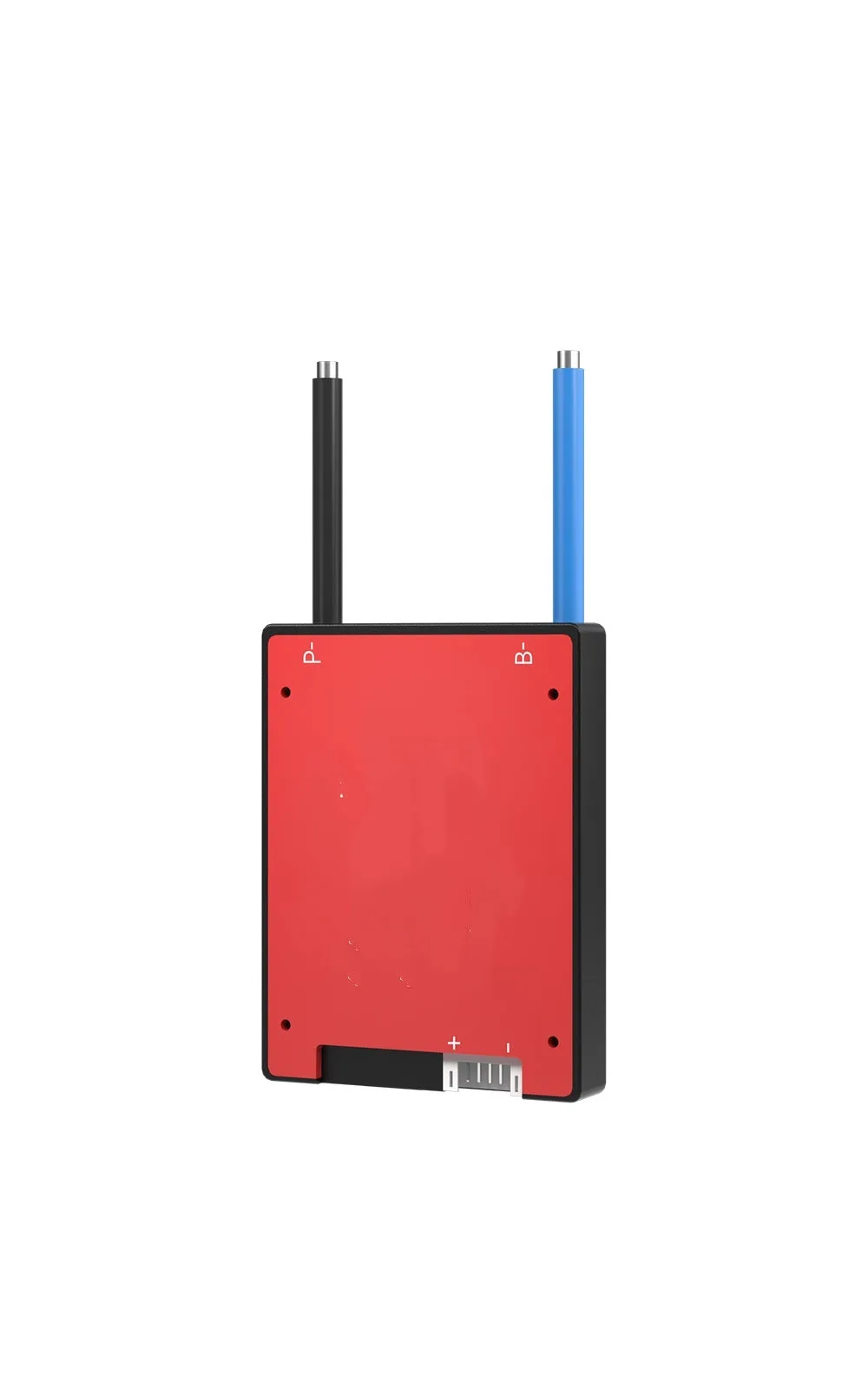
Installing this BMS is a straightforward but vital step in creating a safe and functional battery pack. Its value lies in providing professional-grade protection in an accessible, single-board format.
Simple Same-Port Wiring
The board uses a 'same-port' design, meaning the charge and discharge paths are combined through a single set of main terminals (B- and P-). This simplifies wiring compared to separate-port designs. Installation involves connecting the main negative from the battery pack to the B- terminal, the load/charger negative to the P- terminal, and connecting the four balance wires to the individual cell junctions in the 4S string. Always consult the specific wiring diagram for your model.
Why This BMS Offers Practical Value
The primary value of this Dali protection board is risk mitigation. By preventing overcharge, over-discharge, and short circuits, it protects both your expensive LiFePO4 cells and any connected equipment. The built-in balancing combats a natural source of capacity loss, helping you get the full capacity and lifespan from your battery pack. The extensive range of current ratings means you can precisely match the BMS to your project's needs without overpaying for excessive capacity or risking an under-specified unit, while the fan option adds a layer of thermal security for demanding setups.